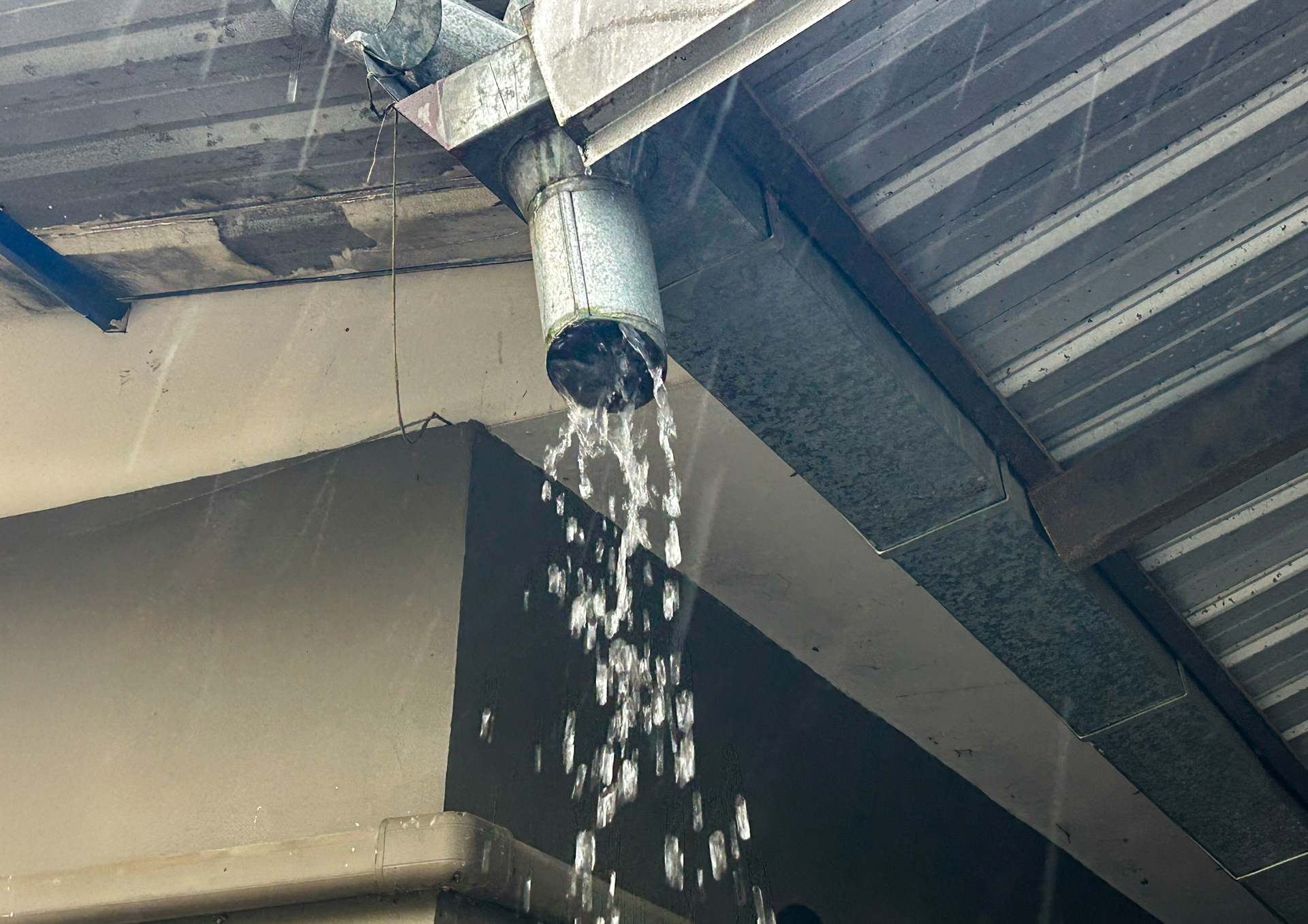
Keeping Roof Drainage Clear With a Reliable Gutter Cleaning Service
A well-maintained roof drainage system plays an important role in directing rainwater away from a building. Gutters collect water as it runs from the roof and guide it towards downpipes, helping it reach the intended drainage areas. When leaves, moss, twigs and other material begin accumulating, however, this process can become less effective.
Arranging a professional gutter cleaning service can help property owners keep these drainage channels clear and reduce the likelihood of substantial debris building up unnoticed. Routine attention is relevant to many types of buildings, from terraced and semi-detached houses to larger residential properties, rental accommodation, offices, shops and other commercial premises.
In Basingstoke, properties can experience changing weather throughout the year, while buildings close to trees and established vegetation may experience particularly noticeable seasonal accumulation. Autumn leaves are an obvious source of debris, although moss, seeds, small twigs and sediment can enter roof drainage systems during other seasons as well.
Homeowners are not the only people who need to consider this area of property maintenance. Landlords responsible for rental accommodation, surveyors assessing buildings and local authorities overseeing larger property portfolios may all need to consider how roof drainage is maintained. Commercial premises can also have extensive systems that require organised attention.
Although the requirements vary between buildings, the fundamental purpose remains the same: rainwater needs an unobstructed route from the roof towards suitable drainage points. Understanding what contributes to blocked channels and how routine maintenance supports effective water flow can make it easier to take a practical approach to property care.
Why Regular Maintenance Matters for Roof Drainage
Routine gutter cleaning can help remove leaves, moss and other material before accumulation becomes substantial. Although a small quantity of debris may not immediately prevent water from moving through a system, repeated accumulation can gradually reduce the space available for rainwater.
One of the challenges is that problems are not always obvious from ground level. Gutters fitted along upper rooflines may appear relatively clear from below even when material has accumulated inside them. Certain areas can also be difficult to see because of extensions, garages or neighbouring structures.
Organic material behaves differently as it remains in the system. Fresh leaves may initially be light and loose, but exposure to rain can cause them to settle. Over time, leaves can break down and combine with moss, sediment and other material to form heavier deposits.
Properties surrounded by mature trees can experience particularly noticeable changes during autumn. Leaves can enter the channels quickly, especially during windy conditions. Seeds and small twigs may also collect around corners and outlets.
Moss represents another common source of accumulation. It can loosen from roof coverings and gradually travel towards the edge of the roof. Once inside the drainage channels, it may retain moisture and combine with other debris.
The outlets leading into downpipes deserve particular attention because material can collect around these relatively narrow points. A gutter may appear mostly open while an obstruction near an outlet prevents water from leaving efficiently. During heavier rainfall, water can then begin collecting faster than it can drain.
Maintenance can also provide an opportunity to observe how different parts of the system are performing. Some properties have sections that collect debris more frequently because of their position beneath trees, roof shape or local surroundings. Identifying these patterns can help property owners plan future attention more effectively.
Different types of properties may require different maintenance approaches. A compact residential property with a simple roofline is very different from a commercial building with several elevations, longer drainage runs and multiple outlets.
Landlords may find it useful to incorporate roof drainage checks into wider property maintenance planning, particularly where they manage several buildings. Keeping simple records of when work was carried out can make future scheduling easier.
Surveyors and organisations responsible for larger property portfolios can benefit from similar records. Rather than treating every building identically, maintenance intervals can reflect the characteristics and surroundings of individual properties.
Regular attention does not mean that every building requires the same frequency of maintenance. Properties close to woodland or mature trees may accumulate material faster than buildings in more open surroundings. Roof condition, gutter design and exposure to weather can also influence how quickly debris returns.
A planned approach allows these differences to be considered rather than waiting until overflowing water provides an obvious sign that the drainage route has become restricted.
Signs That Your Gutters May Need Professional Attention
People searching for gutter cleaning near me are often responding to an obvious problem, such as water spilling over the edge during rainfall. However, there are several other indications that a roof drainage system may need attention, and recognising them early can help property owners respond before accumulation becomes more substantial.
Some common signs worth watching for include:
- Water overflowing during rainfall: Water spilling from the edge rather than travelling towards the downpipe can indicate that debris is restricting the channel or outlet.
- Visible leaves and vegetation: Leaves, moss or plants visible above the gutter edge can suggest that material has been accumulating for some time.
- Slow movement around outlets: Water remaining in a section after rainfall may indicate that the route towards the downpipe is partially restricted.
- Debris beneath downpipes: Organic material appearing around drainage points may indicate that leaves or moss have travelled through parts of the system.
- Uneven water flow: One section handling rainwater differently from neighbouring sections may deserve closer attention.
- Moss accumulation on the roof: Heavy moss growth can increase the amount of organic material gradually entering the channels.
- Frequent leaf fall: Properties surrounded by mature trees can experience rapid seasonal accumulation even when the system was previously clear.
- Unknown maintenance history: New property owners or managers may not know when the roof drainage was last attended to, making an initial assessment useful.
Visual observations can be helpful, but not every obstruction produces an immediate or dramatic symptom. A partially restricted outlet might cope adequately with light rain while struggling during a prolonged or heavier downpour.
This is one reason periodic maintenance can be more practical than relying solely on visible overflow. Waiting for a clear problem can allow debris to accumulate for a considerable period.
The layout of the property also influences how easily warning signs can be noticed. Front gutters may be clearly visible from the pavement or driveway, while rear sections could be positioned above extensions, conservatories or enclosed gardens.
Commercial buildings can present an additional challenge because some roof drainage areas may be less visible during everyday use. Property managers responsible for larger premises may therefore benefit from including these areas in planned maintenance schedules.
Rental properties can require similar organisation. Tenants may report visible overflow, but they may not necessarily observe less obvious drainage problems. A consistent approach can help landlords keep track of when different buildings were last attended to.
Seasonal observation is particularly useful. Autumn is associated with falling leaves, while periods of strong wind can carry twigs and other debris onto roofs. Moss and sediment may enter the system gradually throughout the year.
Recognising these factors can help property owners determine when attention may be appropriate rather than waiting for the system to become heavily obstructed.
Understanding Problems That May Require Further Attention
Clearing accumulated material can restore a more open drainage route, but not every problem is caused by leaves or moss. In some circumstances, gutter repair may need to be considered where sections of the system have become damaged, loose or poorly aligned.
Property owners can look out for several practical concerns:
- Loose sections: Connections or brackets can sometimes become less secure over time, affecting how the channel sits along the roofline.
- Misaligned guttering: Water needs to travel towards appropriate outlets. Sections that are positioned incorrectly may not direct water effectively.
- Damaged joints: Connections between lengths of guttering can deteriorate or separate, potentially allowing water to escape before reaching the intended outlet.
- Cracks or splits: Physical damage can affect individual sections and may become more noticeable during rainfall.
- Loose downpipes: Downpipes should remain suitably positioned so water can continue towards the intended drainage point.
- Sagging areas: Accumulated debris and standing water can place additional weight on sections, making visible changes in alignment worth investigating.
- Repeated overflow in one location: If a section continues to experience problems after debris has been removed, another issue may be influencing water movement.
- Unusual movement during poor weather: Sections that appear unstable during strong winds or rainfall may warrant further assessment.
It is useful to distinguish between maintenance and physical defects. Removing leaves can address an obstruction, but it will not correct a damaged joint or poorly positioned section. Similarly, replacing a component does not remove accumulated debris elsewhere in the drainage route.An organised approach therefore considers the overall condition of the system rather than assuming every issue has the same cause.
Building age can influence the situation, although newer properties are not automatically free from drainage concerns. Older buildings may have systems that have undergone alterations or component replacements over time, while newer developments can still experience debris accumulation because of nearby trees or roof conditions.
Extensions can add another layer of complexity. A property may have its original drainage arrangement alongside newer channels installed around an extension, porch or converted area. Different sections may therefore vary in age, design and accessibility.
Commercial premises can have particularly extensive arrangements, with several downpipes serving large roof areas. Understanding how these components connect can help property managers recognise whether a problem appears isolated or affects a wider section.
Where a recurring issue is observed, investigating the reason can be more useful than repeatedly responding to the visible symptom. A section that regularly retains water, for example, may require closer examination of its alignment, outlet or surrounding components.
Clear observation and sensible maintenance planning can help property owners distinguish between routine accumulation and issues that deserve additional attention.
What Influences the Amount You May Pay?
The gutter cleaning service for a property can depend on several practical factors, which is why a single standard figure may not accurately represent every building. Understanding these variables can make it easier to compare quotations and assess what is included in a proposed service.
Property size is one of the clearest considerations. A small building with short, straightforward gutter runs may require less work than a large detached house or commercial property with drainage channels extending around several elevations.
Height also matters. A single-storey property or garage presents different access requirements from a multi-storey building. Some properties have several roof levels, meaning different sections may need to be approached individually.
Accessibility can be equally important. Open driveways and gardens may provide straightforward working areas, while conservatories, extensions, narrow passages, enclosed courtyards or neighbouring structures can affect how particular sections are reached.
The condition of the system also influences the work required. Loose leaves that have accumulated recently are different from dense material that has remained in place over several seasons. Wet moss, decomposed vegetation and sediment can create heavier deposits.
The overall length of the channels should also be considered. Larger properties naturally tend to have more drainage capacity, while garages, porches and extensions may add separate runs that need attention.
Property owners requesting a quotation can help by providing accurate information beforehand. Useful details might include the number of storeys, approximate property type, extensions, conservatories and whether there are known access restrictions.
Photographs can sometimes help communicate the layout where particular areas are difficult to describe. This may be especially useful for properties with unusual roof arrangements or several separate sections.
Customers should also establish what parts of the building are included. A quotation for the main house may not automatically include a detached garage or other outbuilding unless this has been discussed.
Comparing the scope of different quotations can therefore be more informative than comparing figures alone. Understanding which sections are covered and what practical factors have been considered provides useful context.
For landlords and organisations managing multiple buildings, maintaining records can support future budgeting. Knowing which properties are larger, more difficult to access or surrounded by mature trees can make maintenance planning more organised.
Homeowners can take a similar approach by observing how quickly debris returns after previous maintenance. A building beneath several trees may require a different schedule from one in an open residential setting.
The objective is to consider the individual property rather than assume that every building of a similar type will require exactly the same amount of work.
Effective roof drainage relies on rainwater having a clear route from the roof towards suitable drainage points. Leaves, moss, sediment and other organic material can gradually restrict that route, particularly where buildings are surrounded by trees or have complex roof layouts.
Properties throughout Basingstoke range from homes and rental accommodation to shops, offices and larger commercial premises. Although their layouts and maintenance requirements differ, all can benefit from paying attention to the condition of roof drainage channels and outlets.
Homeowners, landlords, surveyors and local authorities can take a practical approach by observing changes, keeping maintenance records and considering the individual characteristics of each property. Arranging a professional gutter cleaning service can form part of this approach by helping to keep roof drainage systems clear and manageable.
Routine attention can also make it easier to identify sections that repeatedly collect debris or show signs of deterioration. Understanding these patterns allows maintenance decisions to reflect the actual needs of the building rather than relying on a single schedule for every property.
Gutter Cleaning Basingstoke provides a professional and practical approach for customers who need a dependable
cleaning
for residential or commercial properties. We understand that every building has different drainage layouts, access conditions and maintenance requirements, so we consider the characteristics of the individual property when discussing the work involved.
Our approach focuses on clear communication and straightforward information. We aim to understand the building, any known problem areas and relevant access considerations before the work is planned, helping customers know what to expect.
Whether you are responsible for a family home, rental property, commercial premises or a wider property portfolio, we aim to provide reliable support and a considered approach to maintaining clear and manageable roof drainage systems.
Check out our latest X update on the importance of a reliable gutter cleaning service for keeping roof drainage clear and functioning properly.
Gutter Cleaning Basingstoke
01256 648 024
53 Churchill Way East
Basingstoke, RG21 7QU
United Kingdom
You might also like