Roof and Gutter Cleaning Helps Prevent Overflow During Heavy Rain
Heavy rainfall can place considerable pressure on a property's roof drainage system. Water needs a clear route from the roof surface into the gutters, through the downpipes and towards the appropriate drainage points. When leaves, moss, twigs and other debris restrict this route, water may begin collecting faster than it can drain away.
Regular roof and gutter cleaning can help reduce this problem by addressing material that may interfere with the normal movement of rainwater. This is particularly important before periods of persistent or heavy rainfall, when even a partial obstruction may become more noticeable.
In Basingstoke, residential streets contain a mixture of terraced, semi-detached and detached homes alongside flats, shops, offices and other commercial buildings. Mature trees and established gardens in many areas can contribute leaves, seeds and small twigs to roof drainage systems. Moss and general environmental debris can also accumulate gradually throughout the year.
These issues are not unique to Hampshire. Similar conditions can affect properties throughout the UK, which is why understanding how roof drainage systems respond to heavy rainfall is useful for homeowners, landlords, surveyors, local authorities and those responsible for commercial premises.
Overflow should not automatically be treated as an isolated problem. Water spilling over the edge of a gutter can indicate that the system is struggling to move rainfall efficiently. Identifying the possible causes and arranging appropriate maintenance can help keep the drainage route functioning as intended.
How Roof Drainage Systems Become Restricted
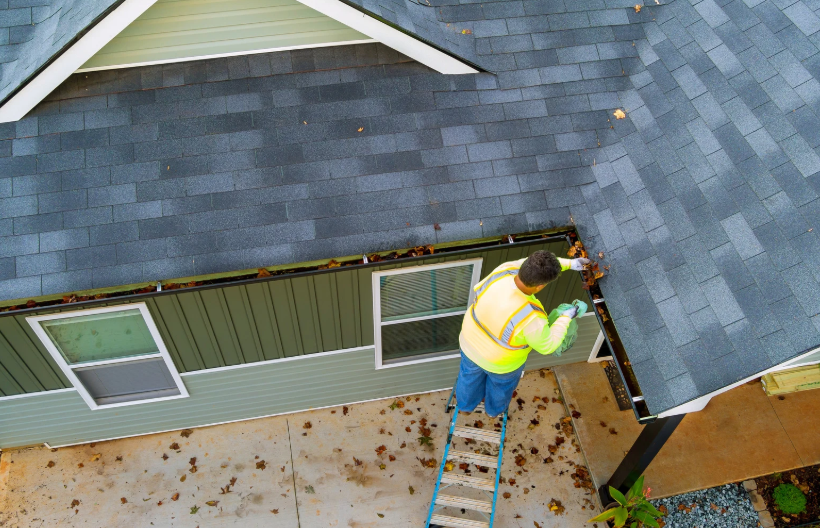
The purpose of gutters is relatively straightforward: they collect water running from the roof and direct it towards downpipes. However, their exposed position means they continually encounter material from the roof and surrounding environment. Routine roof gutter cleaning can help address several common sources of restriction before they accumulate sufficiently to affect water flow.
Some of the most frequent causes include:
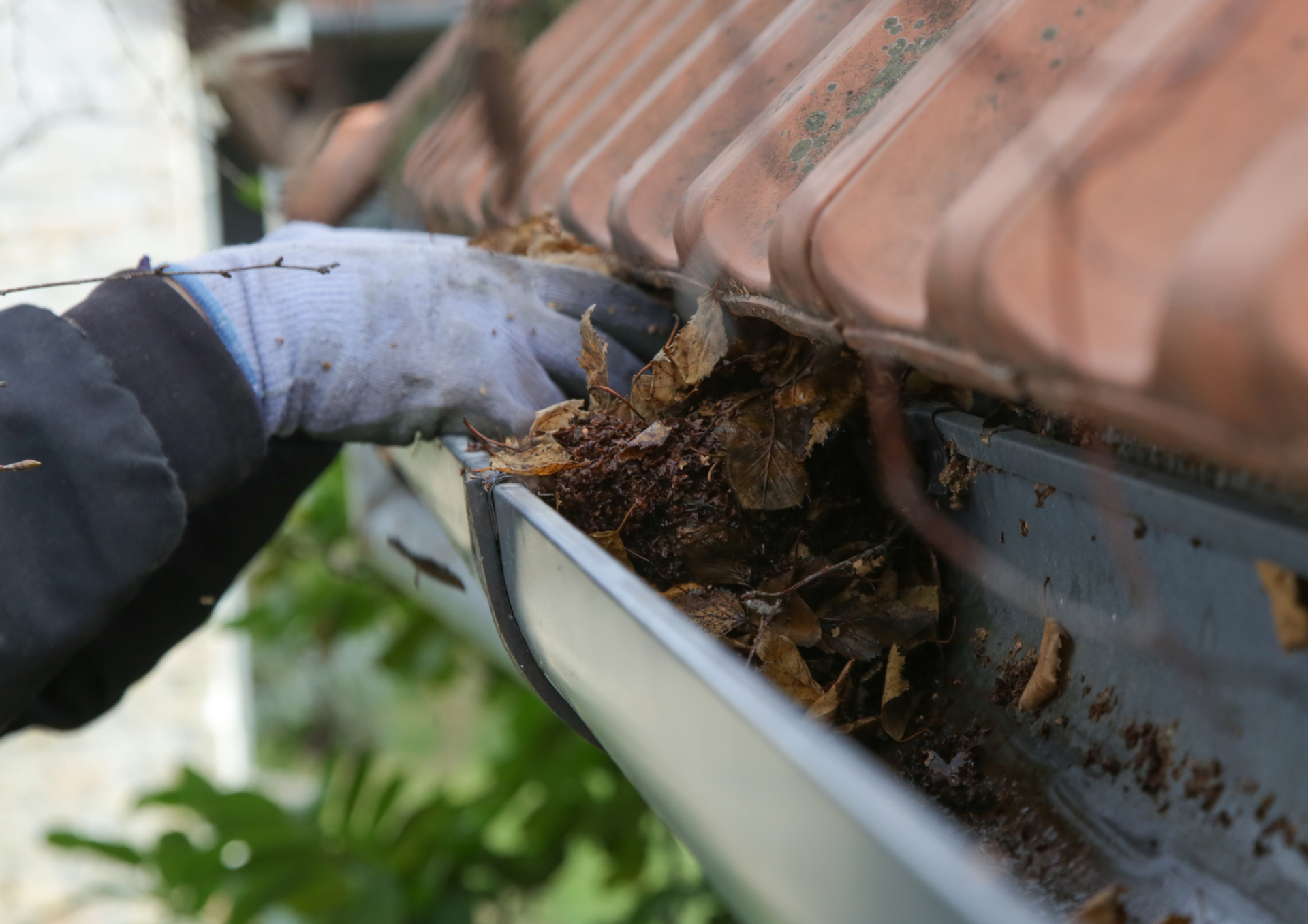
- Fallen leaves: Trees close to a building can deposit significant amounts of foliage onto roofs and into drainage channels, particularly during autumn. Wet leaves can settle together and form dense obstructions.
- Roof moss: Moss can loosen naturally because of wind, rain and changing weather conditions. Once it enters the drainage channel, it may retain moisture and combine with other material.
- Twigs and seeds: Small branches, seeds and other vegetation can become trapped around corners, joints and outlets where water is intended to leave the channel.
- Roof sediment: Fine particles from roofing materials and general environmental dirt can gradually settle along the bottom of the system.
- Growing vegetation: Where organic material remains undisturbed for an extended period, seeds can sometimes establish themselves within the accumulated debris.
- Restricted outlets: Material gathered around the entrance to a downpipe can interfere with drainage even when much of the surrounding channel appears relatively clear.
- Several layers of debris: Leaves, moss and sediment can gradually combine into compacted deposits that take up valuable space within the drainage channel.
The speed at which material accumulates varies from property to property. A house surrounded by mature trees may experience considerably more leaf fall than a similar building in an open location. Roof condition can also make a difference, particularly where moss growth is established.
Building design should also be considered. Dormers, extensions, garages and different roof levels can create several separate drainage areas. Some may be easy to observe from ground level, while others remain largely hidden.
Commercial properties can present similar challenges on a larger scale. Longer rooflines and several outlets mean that a restriction in one location may not immediately be obvious elsewhere on the building.
Understanding where material tends to accumulate is useful for planning future maintenance. Property owners who know that a particular corner or outlet regularly becomes restricted can pay closer attention to that area, especially during periods of increased rainfall.
Why Heavy Rain Can Expose Hidden Drainage Problems
Light rainfall may not always reveal that a drainage system is partially restricted. A limited amount of water can sometimes find its way around leaves, moss or sediment without producing an obvious sign of difficulty. Heavy or prolonged rainfall places much greater demand on the available drainage capacity.
A professional rain gutter cleaning service can be particularly relevant where property owners have noticed overflowing water or suspect that accumulated material is restricting the normal route from the roof.
During heavier rain, several things can happen at once. Large volumes of water reach the channels quickly, existing debris becomes saturated, and loose material may move towards outlets. An obstruction that previously allowed some water through may suddenly become much more restrictive.Water can then begin to collect behind the affected area. If it cannot reach an outlet quickly enough, it may rise towards the edge and spill over.
Where this occurs depends on the layout of the building. Water might overflow above a front entrance, garden, driveway, external wall or adjoining roof section. The location of the overflow can sometimes provide an indication of where a restriction has developed.
Properties with several roof levels require particular attention because water may enter different channels at different rates. Extensions and dormers can also alter how rainfall moves across the roof before reaching the drainage system.
Heavy rainfall can expose issues around downpipe outlets as well. An apparently clear channel may still struggle if the outlet itself contains leaves, moss or compacted material. This is why examining the overall drainage route can be more useful than looking only at the most visible section.
Older properties may have roof layouts that have changed over time through extensions or alterations. Newer sections can introduce additional channels and outlets, creating a more complicated drainage arrangement than the original building possessed.
For landlords and property managers, reports from occupants can provide useful information. Details about where water is spilling, when it occurs and whether the problem appears only during intense rainfall can help identify sections that may require attention.
Commercial property managers can take a similar approach. Staff responsible for a site may notice water overflowing near entrances, loading areas or exterior walls during severe weather. Recording these observations can help with subsequent maintenance planning.
The key point is that rainfall intensity matters. A system that appears satisfactory during a brief shower may behave differently during sustained heavy rain. Regular observation can therefore provide valuable information about how effectively the property handles changing weather conditions.
Practical Steps for Keeping Gutters Clear and Manageable
Regular gutter cleaning can form part of a wider approach to maintaining the external drainage system rather than being treated only as a response to visible overflow.
Property owners and managers can consider several practical measures:
- Observe the property during rainfall: Where practical, look from a safe ground-level position to see whether water appears to be flowing towards outlets or spilling over particular sections.
- Watch for visible vegetation: Plants or substantial moss growth emerging from a channel can indicate that organic material has accumulated over time.
- Consider nearby trees: Properties beneath or close to mature trees may experience faster accumulation, especially during autumn.
- Look at different roof levels: Garages, extensions, porches and dormers may have separate drainage channels that should not be overlooked.
- Keep maintenance records: Recording when work was completed can help landlords, property managers and homeowners understand how quickly material tends to return.
- Pay attention after storms: Strong winds can move leaves, twigs and other debris onto roofs even outside the usual autumn leaf-fall period.
- Consider periods of prolonged dry weather: Debris may accumulate unnoticed when rainfall is limited, only becoming apparent once wetter weather returns.
- Report recurring overflow locations: Where the same section repeatedly struggles during rainfall, keeping a record can help when discussing future maintenance.
The appropriate maintenance frequency will depend on the individual property. There is no single timetable that suits every home or commercial building because environmental conditions vary significantly.
A property in an open setting with few nearby trees may accumulate debris relatively slowly. Another building surrounded by mature vegetation could require closer observation throughout the year.
The roof itself also contributes to maintenance requirements. Moss may gradually loosen and enter the channels even when there are few trees nearby. Fine sediment can build up slowly and may not be obvious when viewed from the ground.
For landlords managing several rental properties, a simple record for each address can provide useful continuity between tenancies. Surveyors and local authorities responsible for multiple premises may find a similar approach useful when planning routine property care.
The objective is not to respond unnecessarily to every leaf or small piece of material. Instead, maintenance should focus on keeping a sufficiently clear route for rainfall to travel through the drainage system.
Planning ahead can be especially useful before traditionally wetter periods. Knowing that the channels have been checked and maintained can provide a clearer understanding of their condition before they are exposed to sustained rainfall.
How Gutter Washing Fits Into Wider Property Maintenance
Exterior drainage should be considered alongside the wider condition of the property rather than viewed entirely in isolation. Roofs, channels, outlets and downpipes operate as connected parts of the same water-management system.
While gutter washing can help deal with residual dirt and material in appropriate circumstances, understanding the wider condition and layout of the drainage system remains important.
Several property features can influence how effectively water moves away from the roof:
- Roof shape and pitch: The design of the roof affects where water is directed and how quickly it reaches the drainage channels.
- Extensions: Additional roof sections can introduce separate channels, corners and outlets that require consideration.
- Downpipe positions: Water needs an unobstructed route from the channels into the vertical drainage system.
- Mature vegetation: Trees can influence how frequently leaves, seeds and twigs enter the system.
- Roof condition: Moss and loose surface material may gradually move into drainage channels.
- Building height: Multi-storey properties can contain sections that are difficult to observe clearly from ground level.
- Commercial roof areas: Larger premises may collect substantial quantities of rainfall and can contain several drainage points.
- Previous alterations: Changes to a building can create additional roof areas or modify the original route taken by rainwater.
Property owners should also avoid assuming that a clean-looking section means the entire system is clear. Material often accumulates around corners and outlets, while some sections may be difficult to see from below.
The relationship between different roof areas becomes particularly important during heavy rainfall. Water from several surfaces may ultimately travel towards a limited number of outlets, meaning restrictions at these points can affect a much larger area.
For residential properties, maintaining awareness of these features can make routine care more organised. Homeowners can become familiar with the areas where leaves collect most frequently and watch for changes in drainage behaviour.
Landlords can use the same information when managing rental properties. A record of recurring issues can make it easier to communicate maintenance requirements and understand whether particular buildings need closer attention.
For commercial premises and buildings managed by local authorities, the scale may be greater, but the basic principle remains the same. Water needs a suitable route from the roof to the intended drainage points, and accumulated material can interfere with that route.
Taking a whole-property approach helps ensure that maintenance is based on how the drainage system actually functions rather than focusing solely on the most visible sections.
Heavy rainfall can quickly reveal weaknesses in a roof drainage system that may not be apparent during dry weather or light showers. Leaves, moss, twigs, sediment and other material can gradually reduce the available space for water, particularly around corners and outlets.
A planned approach to roof and gutter cleaning can help property owners keep drainage routes clearer and identify areas that repeatedly collect debris. The appropriate level and frequency of maintenance will depend on the building, surrounding vegetation, roof design and local conditions.
For homeowners, landlords, surveyors and local authorities, observation can be particularly valuable. Noticing where overflow occurs, understanding which roof sections collect the most material and maintaining basic records can support more informed property care.
Properties in Basingstoke range from established residential homes to larger commercial premises, but the underlying principle applies anywhere in the UK: rainwater needs a clear and practical route away from the roof. Maintaining that route can help the system perform more effectively when wetter weather arrives.
Gutter Cleaning Basingstoke provides a practical approach to maintaining roof drainage systems for residential and commercial properties. We understand that every building has different roof layouts, access conditions and maintenance requirements, so the individual characteristics of the property are considered when determining the work involved.
Our approach to roof and gutter cleaning focuses on clear communication and sensible property care. Whether dealing with a family home, rental property, commercial building or premises managed as part of a wider portfolio, we recognise the importance of understanding how the complete roof drainage system functions.
We aim to provide dependable support for homeowners, landlords, surveyors and those responsible for maintaining properties. By considering roof layout, surrounding vegetation, debris levels and access, we can take an appropriate approach to helping keep drainage channels clear and manageable throughout changing weather conditions.
Check out our latest X update on how roof and gutter cleaning helps prevent overflow and protects properties during periods of heavy rain!
Gutter Cleaning Basingstoke
01256 648 024
53 Churchill Way East
Basingstoke, RG21 7QU
United Kingdom
You might also like